

Understanding Bruxism and TMJ-Related Jaw Pain
Bruxism is the medical term for chronic teeth grinding or jaw clenching, a condition that often occurs unconsciously during sleep or during times of daytime stress. The temporomandibular joint (TMJ) acts like a sliding hinge connecting your jawbone to your skull. When continuous bruxism places excessive, repetitive strain on the surrounding jaw muscles, it can lead to TMJ-related pain, muscle tension, and significant discomfort.
Many patients in Calgary experience jaw pain without realizing that night-time teeth grinding is the underlying cause. Left unmanaged, severe bruxism can contribute to ongoing dental issues and chronic facial pain.
Common Symptoms of Teeth Grinding
Because sleep bruxism happens unconsciously, patients are often unaware of the behaviour until complications arise or a partner notices the grinding sound. Common warning signs include:
- Dull, aching headaches that often begin in the temples, especially upon waking
- Jaw, neck, or face pain and soreness
- Tired or tight jaw muscles, sometimes feeling locked in the morning
- Increased tooth sensitivity or visible wear on tooth enamel
- Pain that feels like an earache, despite no problem with the ear itself
What Causes Jaw Clenching?
Bruxism is a complex condition, and jaw pain can have multiple underlying causes. Stress and anxiety are highly common triggers for both daytime clenching and sleep bruxism. Other risk factors can include sleep disorders (such as sleep apnea), certain medications, excessive caffeine or alcohol consumption, and misaligned teeth.
Because the root cause varies from patient to patient, identifying the specific triggers is an important part of medical pain management and overall health care.

How Does Botox Help Manage Bruxism?
Botulinum toxin (commonly referred to as Botox) works by temporarily relaxing the specific muscles responsible for forceful jaw clenching. When injected into the masseter muscle—the large muscle that moves the jaw—the medication reduces the force of muscle contractions.
Botox does not cure TMJ disorders, but it may help reduce the frequency of bruxism episodes, clenching intensity, and associated jaw discomfort.
By preventing the masseter muscle from contracting as forcefully, the temporomandibular joint is subjected to less strain. This targeted relaxation allows the surrounding tissues to rest, which can sometimes help alleviate the chronic pain and headaches associated with severe grinding. Because the dosage is carefully controlled, normal biting and chewing functions remain unaffected.
Is Medical Botox Right for Your Jaw Pain?
Traditional management for bruxism often begins with conservative measures, such as a custom dental night guard to protect the teeth, stress management techniques, or physiotherapy. However, for patients whose severe muscle tension and pain have not responded well to these initial steps, a physician may discuss whether botulinum toxin therapy is an appropriate next step.
At Blue Diamond Medical in SW Calgary, physicians offer Botox for medical use to suitable patients, including those dealing with chronic migraine, excessive sweating, teeth grinding, and TMJ-related jaw muscle activity.
What to Expect During a Clinical Assessment
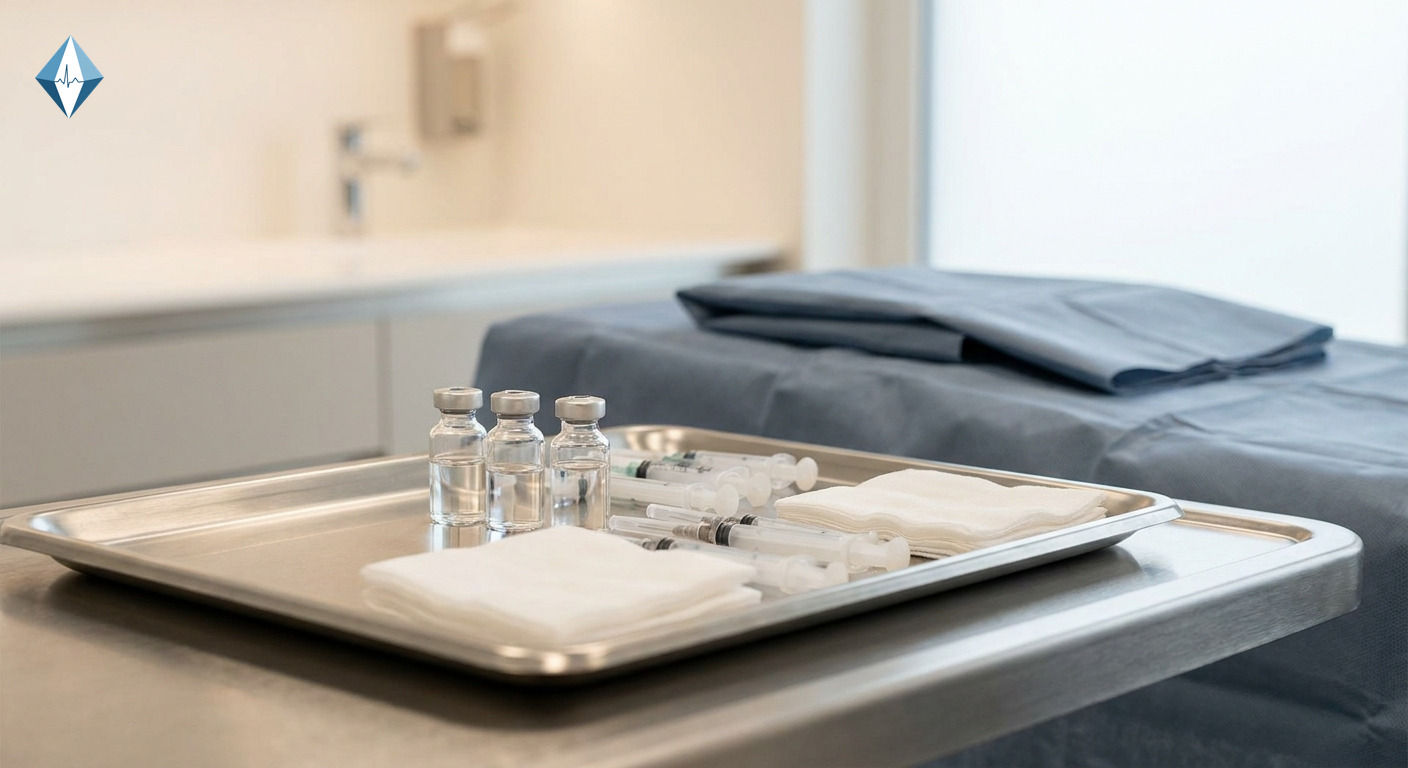
Every aesthetic or medical injection treatment must begin with a thorough physician consultation. During the assessment, a doctor will review your medical history, discuss your symptoms, and gently palpate the jaw and facial muscles to evaluate muscle size and tension.
If medical Botox is considered appropriate for your specific situation, the physician will outline a customized dosing plan, explain potential risks and side effects, and discuss realistic expectations for relief. Individual results vary, but patients who respond well typically enjoy symptom relief for several months before a follow-up assessment is required.
When to Seek Medical Care
While occasional jaw tension from a stressful week may resolve on its own, chronic pain requires proper evaluation. You should speak with a physician or a dentist if you experience:
- Pain that interferes with your ability to eat, speak, or sleep
- A jaw that becomes locked, either open or closed
- A clicking or grating sound in the jaw joint accompanied by pain
- Noticeable damage, flattening, or chipping of your teeth
Early intervention can help prevent long-term joint damage and protect your dental health. If you are struggling with chronic jaw tension in the West Springs area, you can book an appointment to have your symptoms evaluated and to discuss whether medical Botox or other management strategies may be appropriate for you.


